What Are Social Skills Groups?
 Diana Cortese
What are social skills groups and why are they so important? Discover how structured interventions help kids build positive, peer relationships.
What Are Social Skills Groups?
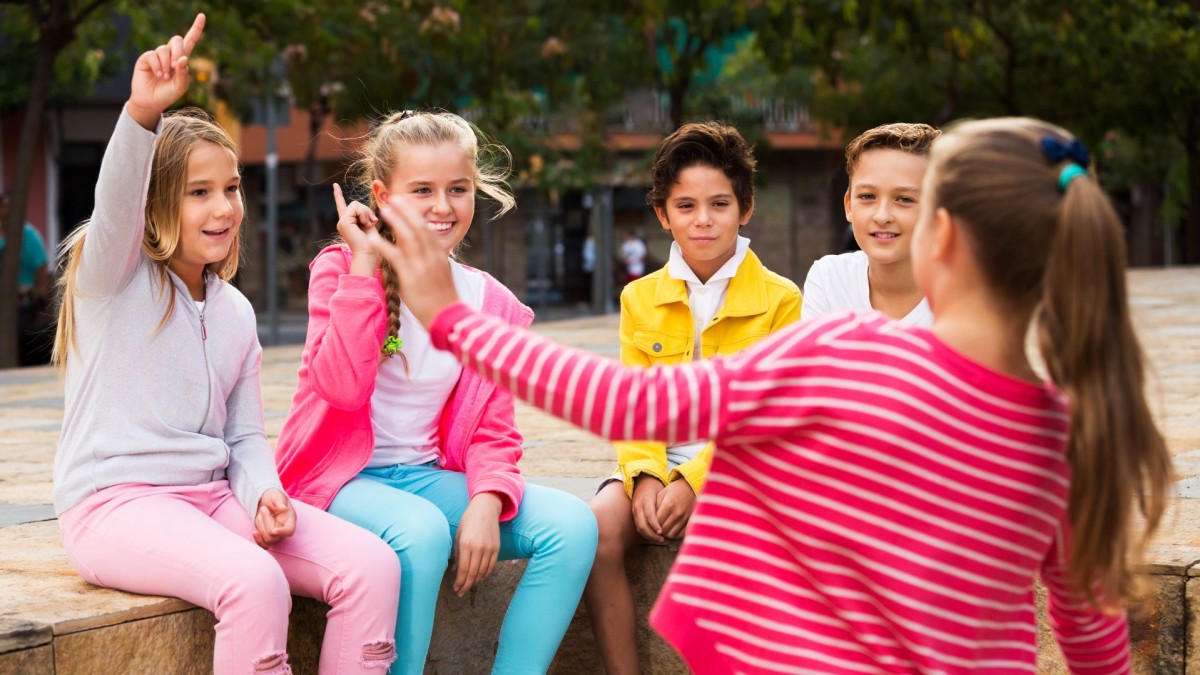
A social skills group is a structured, small-group intervention designed to teach children and adolescents the interpersonal and communication skills they need to build meaningful peer relationships. Unlike individual therapy, social skills groups create a controlled social environment where participants can practice skills in real time, with their peers, and receive immediate feedback.
Sessions are typically facilitated by a trained professional and follow a systematic curriculum targeting specific skill areas such as perspective taking, emotional regulation, conversational reciprocity, cognitive flexibility, and problem-solving.
Who Are Social Skills Groups For?
Social skills groups are most commonly used with children and adolescents who experience social learning differences, including those diagnosed with autism spectrum disorder (ASD), ADHD, anxiety, or other neurodevelopmental conditions. They are implemented across a range of settings — schools, clinics, private practice, and community programs.
Professionals who facilitate social skills groups include Board Certified Behavior Analysts (BCBAs), speech-language pathologists (SLPs), school counselors, and special education teachers. Each brings a distinct clinical lens, but all share the same goal: helping kids develop the skills that make connection possible.
Why Do Social Skills Groups Work?
Research consistently supports the group format as superior to one-on-one social skills instruction for one key reason: generalization. Skills learned in isolation rarely transfer to real-world peer interactions. The group setting provides the social complexity children actually need to practice reading the room, managing disagreements, regulating emotions under pressure, and taking turns in conversation.
Effective social skills groups are evidence-based, data-driven, and built around active participation. They are not passive, lecture based instruction. When designed correctly, they give kids repeated, supported opportunities express themselves, hear peer feedback and explore new ways of looking at things.
For BCBAs and behavior specialists, running a well-structured social skills group means having a clear curriculum framework, measurable objectives, and the clinical confidence to facilitate group dynamics effectively. That's exactly what Teach Social Skills is built to support.

I'm a Board Certified Behavior Analyst and former Special Education Teacher dedicated to teaching kids the 21st Century Social Skills they need to live happier, healthier lives
Diana Cortese
Founder, Teach Social Skills